
Sectional Doors vs Roller Shutters for London Loading Bays: How to Choose the Right Industrial Door

Searching for sectional doors vs roller shutters London usually means you are close to making a buying decision. For a loading bay, warehouse entrance or factory opening, the door you choose affects security, heat loss, vehicle movement, day-to-day reliability and how smoothly goods can be handled.
That is why this decision should not be reduced to which door is cheaper. The better question is which system suits the building, the opening and the way the site operates. At Action Shutters Ltd, we help industrial customers across London and the South East choose practical door systems for busy commercial environments.
Below, we explain the main differences between sectional doors and roller shutters, the decision points that matter most, and when it is worth booking a survey before you commit.
Sectional doors vs roller shutters London businesses install: what is the difference?
How sectional doors work
Sectional doors open vertically in hinged horizontal panels, then travel back along overhead tracks. They are often considered for loading bays where sealing, insulation and controlled operation are important. Because the panels sit neatly within the tracked system, they can suit openings that need a more enclosed, structured bay setup.
How roller shutters work
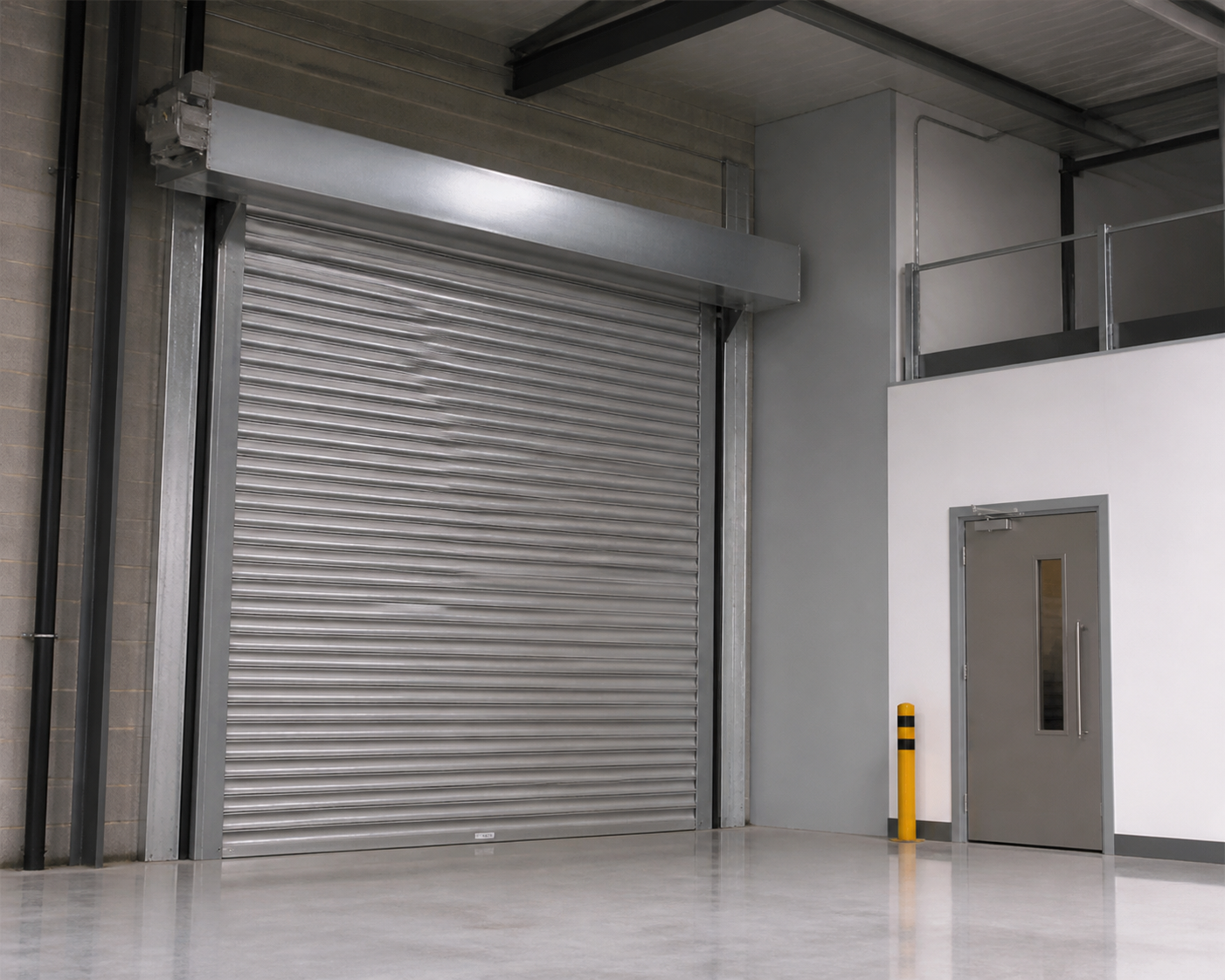
Roller shutters lift into a compact coil above the opening. That makes them a practical option on many industrial sites, especially where security, straightforward operation and efficient use of the opening are high priorities. On hard-working premises, electric and 3-phase shutter systems are often used to support repeated daily cycles.
Both door types can work well. The right choice depends on the practical demands of the opening rather than the product name alone.
What matters most when choosing the right industrial door
1. Headroom and building constraints
Look above and around the opening first. Sectional doors need space for tracks overhead, while roller shutters need room for the barrel and assembly above the reveal. On London industrial sites, beams, pipework, lighting, uneven masonry and later building alterations can all affect what can be installed properly.
2. Insulation and environmental control
If the loading bay opens into a space where temperature stability matters, sectional doors are often shortlisted because they can provide stronger sealing around the opening. That can help reduce draughts and make the internal environment easier to manage. Roller shutters can still be the right solution, but the specification needs to suit the working conditions rather than just the door size.
3. Traffic volume and daily use
A secondary access point and a high-traffic loading bay are not the same thing. If forklifts, delivery vehicles and staff are constantly moving through the opening, the door system needs to suit the number of operating cycles, the pace of work and the level of wear it will face.
4. Security after hours
For many warehouses and industrial units, out-of-hours security is a major priority. Heavy-duty industrial roller shutters are often chosen because they provide a robust barrier for external openings. If your main concern is protecting stock, equipment and access points when the site is closed, that may weigh heavily in the decision.
5. Vehicle clearance and loading bay workflow
The door should support the way the bay actually operates. Think about reversing space, how close vehicles come to the opening, whether forklifts need clean access and whether staff also use the same doorway. A door that works on paper can still become a daily frustration if it does not fit the traffic pattern.
6. Maintenance planning and downtime risk
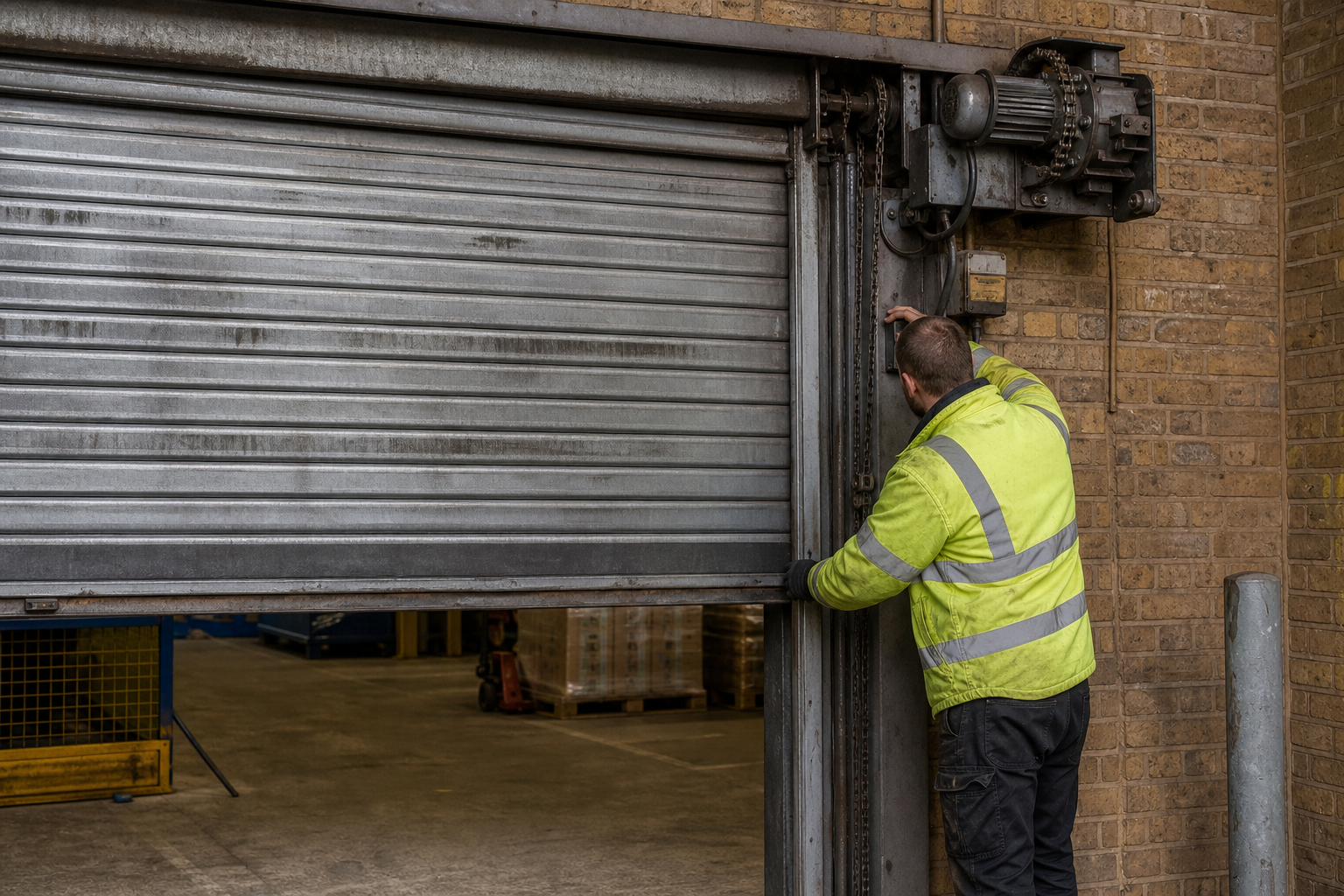
Every industrial door system needs servicing. What matters is how critical the opening is to operations and how quickly support is available if there is a fault. If one failed door can interrupt dispatch, receiving or site security, the conversation should include maintenance from the start, not after installation.
7. Whole-life value, not just the initial quote
The cheapest option is not always the most economical in the long run. A door that is poorly matched to the site can create more repairs, more disruption and an earlier replacement. It is usually more sensible to compare whole-life value, including installation quality, reliability, servicing needs and operational fit.
When sectional doors are usually the better fit
Sectional doors are often worth serious consideration when:
The opening needs better sealing against weather and draughts.
Internal environmental control matters more than a basic external barrier.
The loading bay is part of a more controlled handling area.
There is suitable overhead room for the track arrangement.
The business wants a door solution that feels more integrated with the bay layout.
For some warehouses, distribution spaces and factories, those points make sectional doors the more practical long-term choice.
When roller shutters are usually the better fit
Roller shutters are often the stronger option when:
Security is the main priority for an external industrial opening.
The building layout makes a compact coiling design more practical than overhead tracks.
The opening serves as a hard-working warehouse or factory access point.
The site needs a straightforward, durable door system for everyday use.
The priority is protecting access without overcomplicating the installation.
On many London industrial premises, that combination makes roller shutters a highly practical answer for loading bay and warehouse access.
Common mistakes when comparing sectional doors and roller shutters
Choosing based on price alone without reviewing how the opening is used.
Ignoring headroom, structural restrictions or overhead obstructions.
Assuming every bay on a site needs the same door type.
Overlooking future servicing until something fails.
Mixing up security requirements, thermal needs and any separate fire strategy considerations.
A short survey can prevent most of these problems before money is spent.
Why a site survey matters on London industrial buildings
Many London warehouses and commercial units are retrofit environments rather than purpose-built blank spaces. Openings may have been altered over time, dimensions may not be as simple as they look, and access around the bay can be tighter than expected.
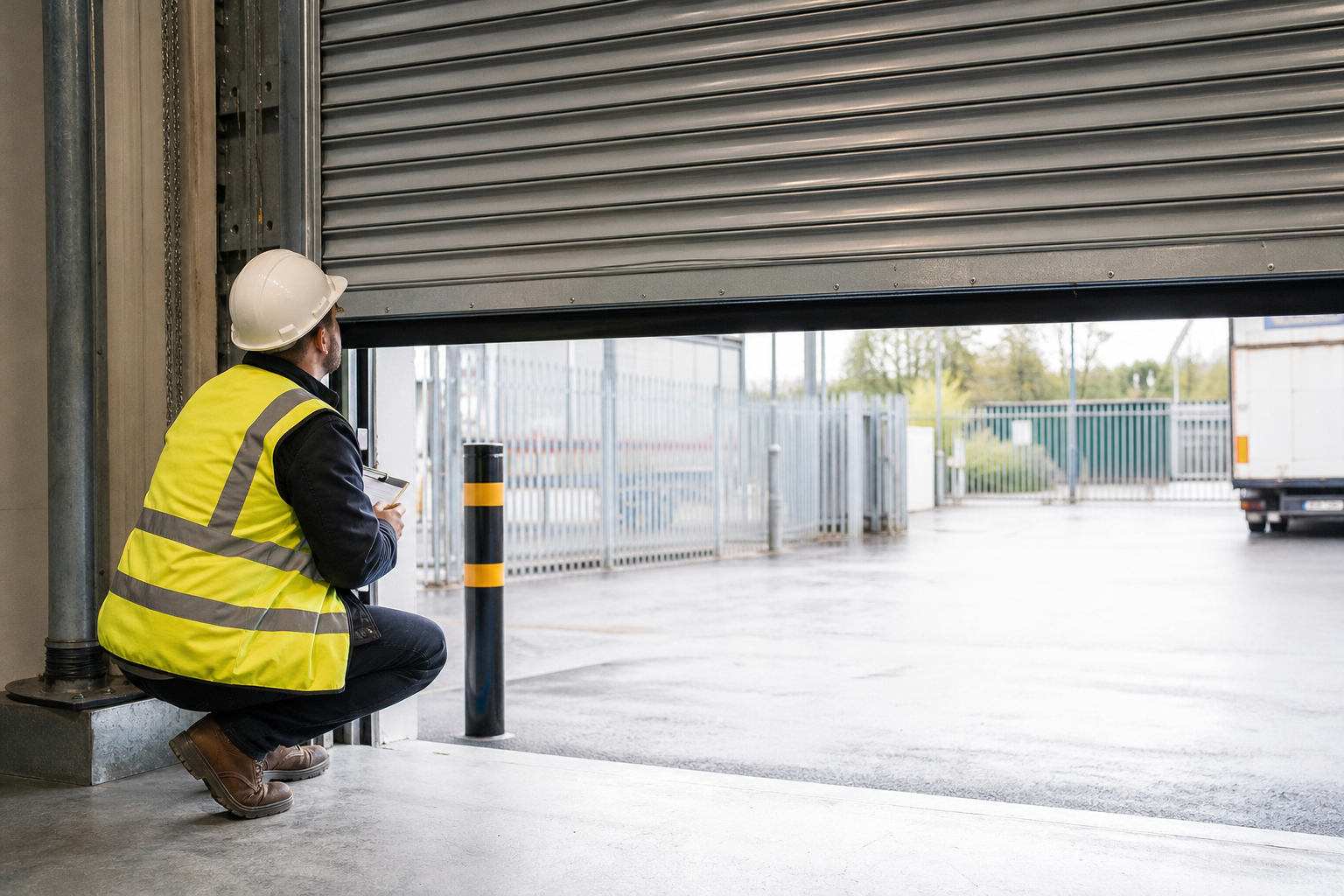
That is why we recommend assessing the opening in person before finalising the door type. A proper survey helps confirm usable dimensions, site constraints, operational risks and the most practical system for the building.
Why businesses choose Action Shutters Ltd
From our base in Woolwich, SE18 5NS, we support industrial customers across London and the South East. We specialise in sectional doors and industrial shutter installations for warehouses, factories and loading bays, including electric shutters and fire-rated systems.
All work is carried out by our own experienced engineers. We also provide a 12-month guarantee on all products, annual maintenance contracts and a 24/7 emergency repair service to help customers protect access, security and day-to-day operations.
Frequently asked questions
Which is more secure for a London warehouse: a sectional door or a roller shutter?
Security depends on the specification and the purpose of the opening. For many external industrial openings, heavy-duty roller shutters are chosen because security is the primary concern. If the opening also needs stronger sealing and a more controlled bay setup, a sectional door may still be the better overall choice.
Are sectional doors better insulated than roller shutters for loading bays?
In many applications, sectional doors are considered when improved sealing and temperature control matter. The final result still depends on the exact product and the condition of the opening, which is why a site survey is so useful.
What is the best door for a busy loading bay?
There is no one-size-fits-all answer. The best door is the one that matches the traffic level, the vehicle movements, the available headroom, the security needs and the internal environment of the building.
Do roller shutters need planned maintenance?
Yes. On busy industrial sites, planned servicing helps identify wear before it becomes a breakdown. If a loading bay door is important to your operations, maintenance should be part of the decision from the beginning rather than an afterthought.
Should I book a survey before requesting a quote?
Yes. A proper survey helps confirm measurements, site restrictions, usage demands and the most suitable operating setup. That makes the recommendation more accurate and reduces the risk of choosing the wrong system for the opening.
Book a site survey for the right loading bay door
If you are weighing up sectional doors and roller shutters for a London loading bay, the right answer comes from the opening in front of you, not a generic rule. A well-matched door system can support smoother operations, stronger security and better long-term value.
If you run a warehouse, factory or commercial loading bay, contact Action Shutters Ltd to book a site survey. We will assess the opening, explain the practical options and recommend the most suitable industrial door for your site and daily workflow.
Comments